Container housing is gaining popularity among buyers for various reasons. Many people are curious about what are the advantages of container housing. This innovative approach to living offers unique benefits that traditional homes may not provide.
One key advantage is affordability. Container homes are often cheaper to build and require less maintenance. They provide a quick solution for those looking for a low-cost housing option. Additionally, they can be custom-designed to meet individual needs, which appeals to many buyers.
Sustainability also plays a significant role. Using recycled shipping containers reduces waste and minimizes environmental impact. However, some may argue that not all container homes are built to the same standards. Quality can vary greatly, which is a point of consideration for potential buyers. Therefore, it's essential to weigh the benefits against possible drawbacks carefully.
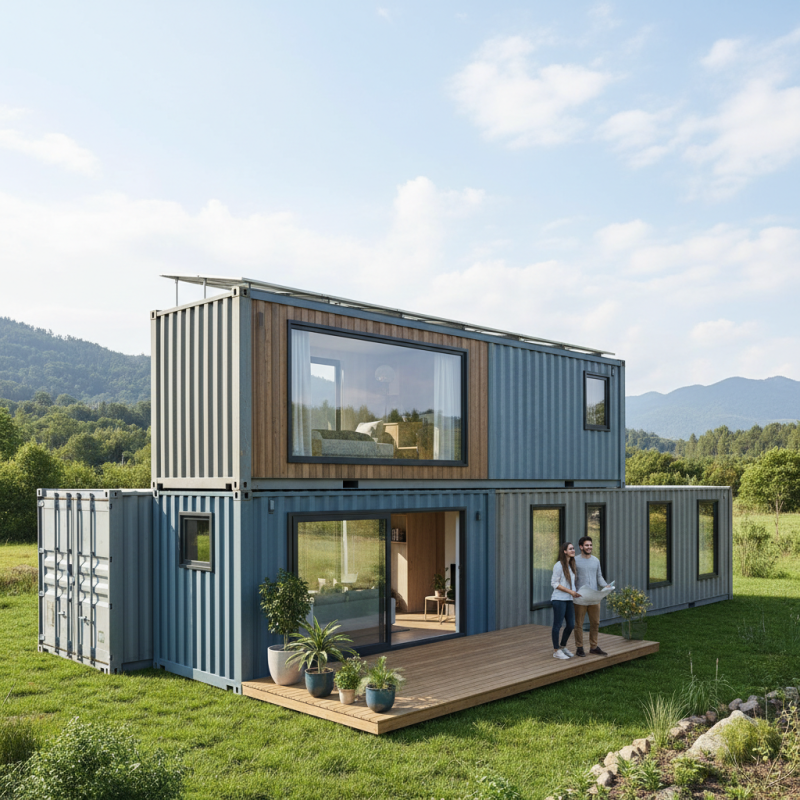
Container housing is gaining attention for its affordability. These homes often cost less than traditional buildings. A shipping container can be converted into a livable space for a fraction of the price. Many discover that they can save up to 50% on construction costs. This is especially appealing for first-time buyers facing high real estate prices.
Cost savings extend beyond initial construction. Container homes are energy-efficient. They require less heating and cooling, leading to lower utility bills. Maintenance costs are typically lower as well. However, potential buyers should consider local zoning laws. Some areas may restrict container housing. This could affect your overall budget and plans.
Embracing container housing invites creative design. Customization options are vast, allowing personal expression. Yet, it's essential to weigh the challenges. Insulation, ventilation, and aesthetic appeal require careful planning. Although container homes offer financial benefits, they come with a learning curve. Thoughtful consideration is crucial to make the most of this unique housing solution.
Container housing offers remarkable sustainability advantages, especially when using recycled shipping containers. According to the United Nations, around 8 million tons of plastic waste are dumped into the ocean every year, emphasizing the need for sustainable construction methods. Utilizing shipping containers helps divert these materials from landfills, leading to less environmental harm.
In fact, the World Economic Forum reports that building with recycled materials can reduce carbon emissions by up to 30%. This reduction comes from reducing the need for new raw materials and minimizing energy consumption during production. Container homes can often be built more quickly than traditional structures, which also saves energy. Many container homes utilize natural insulation methods, further increasing energy efficiency.
While there are many benefits, challenges exist. Insulation and ventilation can be difficult in a metal structure, especially in extreme climates. Buyers need to balance aesthetics with functionality. Not every shipping container is suitable for conversion, and they require careful selection for safety and durability. Reflecting on these factors can lead to better decision-making in the long run, ensuring a truly sustainable living environment.
Container housing has gained traction for its unique flexibility and customization options. Buyers are drawn to the potential for personalized living spaces. Container homes allow for creative designs that fit various lifestyles. You can modify exteriors with different colors and textures. Inside, the layout is adaptable, accommodating everything from open-plan spaces to cozy nooks.
Customization is not just about aesthetics; it extends to functionality as well. Homeowners can easily integrate solar panels or efficient insulation. This ensures the home meets energy needs and environmental standards. However, the challenge lies in understanding local building codes. Permits may vary, and it is essential to research these requirements thoroughly.
Moreover, redesigning a container can reveal limitations in space. While they are efficient, they might not suit families needing large areas. Thus, weighing practical needs against creative aspirations is vital. The journey of a container home can be rewarding yet complex. Embracing flexibility allows for innovative solutions, but it requires careful planning.
Container housing is gaining popularity for its fast construction and efficiency. Buyers appreciate the significant reduction in building time. Traditional construction often takes months or even years. In contrast, container homes can be assembled in just weeks. This speed allows buyers to move in quickly. It is especially beneficial for those needing immediate housing solutions.
Here are some tips for potential buyers considering container housing. First, research local zoning regulations. Not every area allows container homes. Understanding these laws can save you time and frustration. Secondly, think about insulation and climate. Containers can be hot or cold without proper insulation. Proper insulation makes a big difference in comfort.
Lastly, consider the layout and design carefully. It’s easy to overlook practical needs in a trendy design. Make sure the space suits your daily life. Refining your vision will help create a more functional home. Embracing imperfections in design can lead to unique and innovative living spaces.
Container housing has gained popularity for its enhanced mobility and relocation potential. These homes are designed for easy transport. A recent report by the Container Housing Association states that nearly 40% of buyers appreciate the portability of container homes. This aspect is particularly beneficial for those who relocate frequently, whether for work or personal reasons.
Moreover, container homes can be moved without extensive preparation. This flexibility saves time and reduces costs involved in relocation. For instance, moving a traditional home can take weeks and extensive planning. In contrast, a container home can often be relocated in one day. However, while mobility is a strong advantage, it's essential to consider zoning laws and transport regulations in different areas. Failure to account for these may lead to unforeseen complications.
The aesthetic appeal of container homes also plays a role in their popularity. Many buyers enjoy personalizing their spaces, making them unique. Statistics show that over 50% of container homeowners customize their homes. Yet, this customization can lead to challenges. Not every modification ensures structural integrity during relocation. Overall, investing in a container home offers unique advantages, but buyers must remain informed and attentive to potential pitfalls.
| Benefit | Description | Importance Level |
|---|---|---|
| Mobility | Container homes are designed for easy transport, allowing buyers to relocate with minimal effort. | High |
| Cost-Effectiveness | Generally lower initial costs compared to traditional homes, making them accessible for more buyers. | Medium |
| Sustainability | Recycling shipping containers promotes eco-friendly living and reduces waste. | High |
| Customization | Flexible designs allow buyers to customize their living spaces to fit personal needs and styles. | Medium |
| Quick Setup | Container homes can be set up faster than traditional buildings, providing quicker occupancy. | High |
| Versatility | Can be used for various purposes, including homes, offices, and creative spaces. | Medium |
: Container housing involves converting shipping containers into livable spaces. They are often more affordable than traditional homes.
Buyers report saving up to 50% on construction costs with container homes compared to conventional buildings.
Yes, these homes are energy-efficient. Lower utility bills and maintenance costs are common advantages.
Research local zoning laws first. Some areas may have restrictions on container homes, affecting your plans.
Container homes can be assembled in weeks. This is much faster than traditional construction.
Focus on insulation and layout. Proper insulation is key for comfort, and design should suit daily needs.
Yes, there are many customization options available. However, balance aesthetics with practical needs.
Challenges include insulation, ventilation, and keeping a cohesive aesthetic. Careful planning is essential.
While it has benefits, not every buyer will prefer this option. It's important to reflect on your needs.
Embracing design flaws can lead to creativity. Unique spaces often come from innovative, imperfect ideas.
Container housing presents numerous benefits for buyers, making it an appealing choice in today's real estate market. One of the primary advantages is affordability; using recycled shipping containers significantly reduces construction costs while providing cost-effective housing solutions. Furthermore, these structures promote sustainability by repurposing materials that would otherwise contribute to landfill waste.
In addition to financial advantages, container housing offers flexibility and customization options, allowing buyers to tailor their homes to fit unique needs and preferences. The rapid construction process associated with container homes also means reduced build times, enabling quicker move-in dates. Lastly, the mobility of these structures allows for easy relocation, making them an excellent choice for those who seek an adaptable living environment. Overall, when considering what are the advantages of container housing, it's clear that they combine affordability, sustainability, and versatility in an increasingly demanding housing market.

BYT Homes