Best Insulation Tips for Container Houses?

Time:2026-05-16 Author:Liam
0%

Insulating container houses is crucial for comfort and energy efficiency. The question often arises: "what insulation is best for container houses?" Industry expert Sarah Johnson emphasizes, “Choosing the right insulation can significantly impact your home’s performance.”

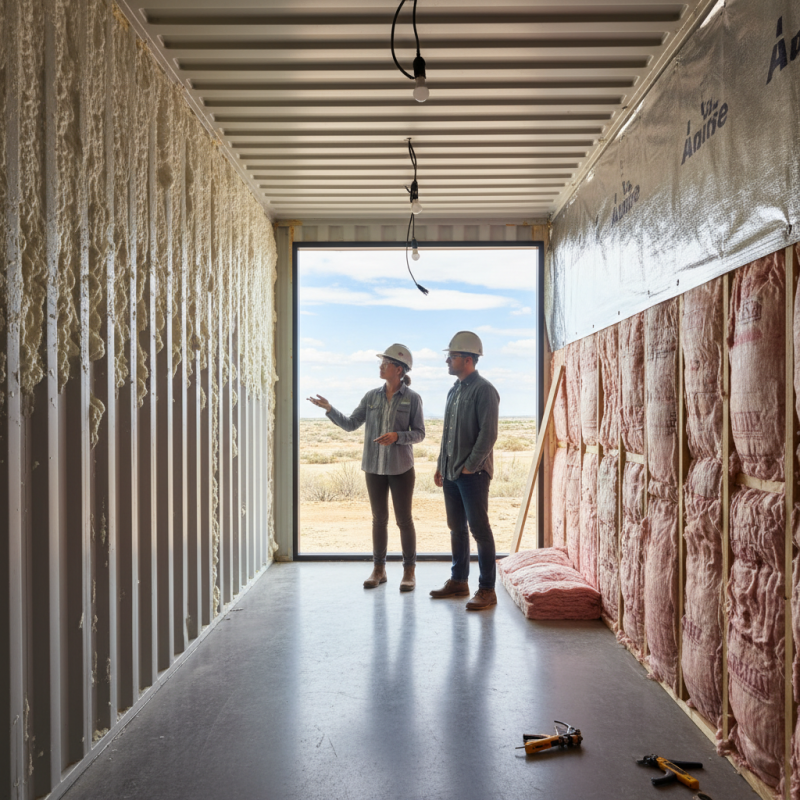
Container houses present unique challenges. Their metal walls can lead to heat loss in winter and heat gain in summer. Therefore, understanding insulation options is key. Spray foam insulation provides excellent thermal resistance and air sealing. However, it can be costly. Fiberglass batts are a more affordable option but may require additional moisture barriers. Each choice has its pros and cons.

When selecting insulation, consider your climate and budget. The wrong choice might lead to discomfort. Analyzing various materials will allow you to find the right fit. Effective insulation not only protects your home but also promotes sustainability. In your exploration of what insulation is best for container houses, weigh expert insights and personal needs carefully.
Best Insulation Tips for Container Houses?

Understanding the Importance of Insulation in Container Houses

Insulation plays a crucial role in the effectiveness of container houses, primarily in temperature regulation. Proper insulation helps maintain a comfortable indoor climate, reducing reliance on heating and cooling systems. According to the U.S. Department of Energy, well-insulated homes can save between 20% to 30% on energy bills. This statistic highlights the potential savings and environmental benefits of investing in good insulation for container houses.

The unique shape and materials of shipping containers can lead to severe temperature fluctuations. Metal walls absorb heat during the day and lose it rapidly at night. This creates an uncomfortable living environment. Studies suggest that using materials like spray foam or rigid foam board can significantly enhance thermal performance. These materials have high R-values, meaning they resist heat flow effectively. However, installing insulation properly can be complex and may require expert advice. Mistakes in installation are common and can lead to moisture issues and reduced efficiency.

Furthermore, while insulation is vital, it’s not a one-size-fits-all solution. The choice of insulation materials should consider local climate conditions and container location. For instance, areas with high humidity might require moisture-resistant options. Flexibility in insulation choices reflects the evolving needs of container house design. Homeowners must be aware of potential trade-offs and seek reliable information to make informed decisions.

Best Insulation Tips for Container Houses

Insulation Type R-Value Installation Method Cost per Square Foot Advantages Disadvantages
Spray Foam Insulation 6.5 - 7.0 Sprayed directly onto surfaces $1.50 - $3.00 Excellent air sealant; high R-value Higher initial cost; requires professional installation
Fiberglass Batts 2.9 - 4.3 Placed between studs $0.50 - $1.00 Cost-effective; easy to install Not as effective in sealing air leaks
Rigid Foam Board 5.0 - 6.5 Cut to fit; mounted on walls $0.90 - $2.00 High R-value; moisture resistant Thermal bridging can occur
Cellulose Insulation 3.1 - 4.0 Blown into cavities $0.75 - $1.50 Eco-friendly; good air sealing Can settle over time, reducing effectiveness
Mineral Wool 3.1 - 4.3 Installed in batts or loose fill $0.80 - $1.20 Fire resistant; excellent soundproofing Thicker installation may be needed for higher R-value

Choosing the Right Insulation Materials for Container Homes

Choosing the right insulation materials for container homes is crucial. A well-insulated container house enhances comfort and energy efficiency. According to the U.S. Department of Energy, proper insulation can reduce heating and cooling costs by up to 50%. This statistic emphasizes the importance of selecting high-quality materials.

Consider rigid foam board as a potent option. It offers exceptional thermal resistance, significantly reducing heat transfer. Studies indicate that foam board insulation has an R-value of around 6 to 7 per inch. This makes it one of the most effective choices for container homes. Adding reflective radiant barriers can also improve energy efficiency. For instance, these barriers can reflect up to 97% of radiant heat away, keeping interiors cooler.

Another point worth reflecting on is the installation process. Regardless of the insulation type, gaps and poor sealing can lead to significant thermal bridges. This can undermine insulation effectiveness. Proper installation requires expertise. Additionally, focusing on materials that allow moisture control can prevent issues such as mold. Overall, investing in high-quality insulation is not just beneficial; it’s paramount for the longevity of container homes.

Step-by-Step Guide to Insulating Container Walls and Roofs

Insulating container homes requires careful planning. Focus on the walls and roofs to maximize energy efficiency. Begin by choosing suitable insulation materials. Spray foam is popular for its high R-value and moisture resistance. Fiberglass batts are affordable, but they need a vapor barrier to prevent mold.

A critical step involves sealing gaps. Pay attention to joints where containers meet. Use expanding foam to fill cracks. This step is vital in keeping out drafts and moisture. If not done properly, you might face condensation problems later.

Consider reflective barriers for roofs. They can significantly reduce heat gain in warmer climates. Ensure that the insulation is properly installed. Over time, shifting can lead to insulation gaps. Regular checks can prevent serious issues. Implementing these tips can lead to a comfortable, energy-efficient living space in your container home.

Common Mistakes to Avoid When Insulating Container Houses

Insulating container houses effectively is essential for comfort and energy efficiency. Many people overlook the importance of proper insulation. A common mistake is using insufficient materials. According to a 2022 report by the International Energy Agency, improper insulation can lead to energy loss. This inefficiency not only increases heating and cooling costs but also affects indoor air quality.


Another frequent error is neglecting the gaps and joints in container structures. These areas can be significant sources of heat escape. A study by the National Renewable Energy Laboratory indicated that up to 30% of energy loss can occur through small cracks if not properly sealed. It is critical to ensure that every seam is insulated. Additionally, using just one type of insulation can limit effectiveness. Diverse materials respond differently to temperature variations. Blending different insulation materials can maximize thermal performance.


Lastly, ignoring moisture control can lead to serious issues. Containers are prone to rust and mildew without proper ventilation. A 2021 analysis found that moisture-related issues significantly compromise insulation integrity. Regular inspection and maintenance are vital for sustainable living in container homes. It’s important to reflect on these challenges and approach insulation with a comprehensive plan.

Energy Efficiency Tips for Maintaining Insulation in Container Homes

When it comes to container homes, maintaining energy efficiency is essential. Insulation plays a crucial role in moderating indoor temperatures. One effective method is using spray foam insulation. This technique fills gaps and creates a seamless barrier against the elements. However, improper application can lead to issues like moisture buildup. Make sure to allow for adequate ventilation in all areas to prevent such risks.

Another tip focuses on reflective insulation. Installing radiant barriers can significantly reduce heat gain. Positioning these barriers correctly is key. Pay attention to your roof and walls. While they improve comfort, not every installation will yield perfect results. Monitor temperatures and adjust accordingly.

Utilizing natural materials is also beneficial. Options include wool and cotton, which provide good thermal resistance. However, these might need frequent upkeep. A balance between sustainability and functionality is essential. Experimenting with various materials can lead to unexpected challenges, but it’s worth exploring. Stay informed about local climate conditions and adapt your insulation methods accordingly to ensure long-term energy efficiency.

Best Insulation Tips for Container Houses

FAQS

: Why is insulation important in container houses?

: Insulation regulates temperature effectively, ensuring a comfortable indoor climate and reducing energy bills.

What can happen if insulation is not installed properly?

Improper insulation can lead to moisture issues, increased energy costs, and reduced indoor air quality.

Which materials are recommended for effective insulation?

Spray foam, rigid foam board, and moisture-resistant options are suggested for better thermal performance.

What common mistake do people make when insulating container houses?

Many overlook sealing gaps and joints, which can result in significant energy loss.

How can reflective insulation improve energy efficiency?

Radiant barriers can reduce heat gain if positioned correctly on roofs and walls.

Why is it important to choose insulation based on local climate?

Local climate affects the insulation needs, especially in areas with high humidity.

What issues can arise from ignoring moisture control in insulation?

Ignoring moisture can lead to rust, mildew, and compromised insulation integrity.

How can natural materials contribute to insulation?

Materials like wool and cotton provide good thermal resistance but may require regular maintenance.

What role does regular inspection play in container home maintenance?

Regular inspections help identify insulation issues early, ensuring sustainable living conditions.

Is there a perfect insulation method for all situations?

No, insulation methods vary and may not yield perfect results; adjustment based on performance is often required.

Conclusion

Insulation is crucial for enhancing the livability and energy efficiency of container houses. Understanding the importance of insulation in such unique structures is the first step in creating a comfortable living space. When considering what insulation is best for container houses, it’s essential to choose materials that align with both thermal performance and practicality. Common options include rigid foam, spray foam, and soundproofing insulation, each offering different benefits.

A step-by-step guide to insulating container walls and roofs can greatly aid homeowners in this endeavor. Additionally, being aware of common mistakes, such as inadequate sealing or wrong material choices, can save time and resources. To maintain insulation effectiveness, adopting energy efficiency tips, like using reflective barriers and proper ventilation, can further enhance the sustainability of container homes.

Liam

Liam

Liam is a dedicated marketing professional with a profound expertise in the industry, where he excels at highlighting the unique advantages of our core products. With a keen understanding of market trends and consumer needs, Liam frequently updates our company’s professional blog, providing......