Container houses have gained popularity for their unique design and eco-friendly appeal. However, a pressing question arises: are container houses suitable for long-term living? This query is multifaceted, reflecting concerns about comfort, durability, and livability.
Living in a container house presents both advantages and challenges. On one hand, these structures are often cost-effective and sustainable, attracting those seeking affordable housing options. On the other hand, they may lack essential features that promote a comfortable living environment. For instance, insulation is crucial, especially in extreme weather conditions. Without proper insulation, container homes can become uncomfortably hot or cold.
Moreover, the layout of a container house can be restrictive. Limited space can impact daily activities and hinder family life. Furniture arrangements and storage solutions must be thoughtfully planned. It's important to reflect on these factors when considering long-term residency. Ultimately, evaluating whether container houses fit one's lifestyle is essential for making an informed decision.
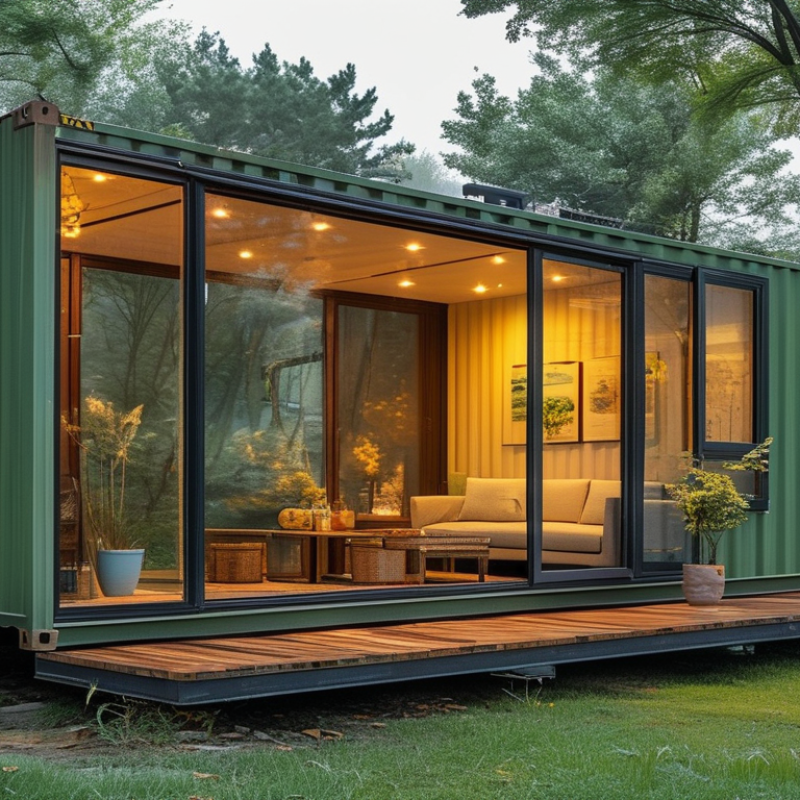
Container houses have emerged as a viable option for long-term living, gaining popularity for several reasons. One notable benefit is their sustainability. Many industry reports suggest that using recycled shipping containers can reduce construction waste by 75%. This aligns with the growing focus on eco-friendly building practices.
Cost-effectiveness is another significant advantage. A study by the National Association of Home Builders indicated that container homes can be up to 30% less expensive than traditional homes. They often require fewer materials and less labor, making them a more affordable option. Additionally, their modular design allows for easier expansion in the future.
However, living in a container home isn’t without challenges. Insulation can be an issue, as metal containers might trap heat in summer and cold in winter. Homeowners need to invest in proper insulation for year-round comfort. Moreover, zoning laws can pose hurdles. Not all areas permit container homes, and this can limit options for potential buyers. These factors warrant careful consideration when evaluating container houses as a long-term living solution.
| Feature | Description | Benefits for Long Term Living |
|---|---|---|
| Cost-Effectiveness | Container houses often cost less to build than traditional homes. | Affordable housing option for long-term residents. |
| Sustainability | Made from recycled shipping containers, reducing waste. | Environmentally friendly housing solution. |
| Durability | Steel construction can withstand harsh weather and pests. | Long-lasting and low maintenance over time. |
| Customization | Flexible design possibilities for layouts and aesthetics. | Personalized living spaces that meet individual needs. |
| Mobility | Can be relocated easily if needed. | Ideal for those who may need to move in the future. |
| Energy Efficiency | Can be equipped with energy-efficient systems and insulation. | Lower utility bills and carbon footprint. |
| Community Trends | Growing movement towards tiny homes and container living. | Sense of community and belonging among residents. |
: Container houses promote sustainability by using recycled materials, reducing construction waste significantly.
They can be up to 30% cheaper due to fewer materials and labor requirements.
Extreme temperatures can occur, requiring air conditioning for comfort in many climates.
Poor insulation can lead to increased heating and cooling costs, affecting energy efficiency.
Standard containers can be narrow and may not suit larger families without customization.
Yes, expenses for insulation, local fees, and maintenance can add up over time.
Regular rust treatment and waterproofing are essential to avoid costly repairs later.
Yes, but the upfront costs for retrofitting can be a deterrent for some buyers.
Without it, potential savings can turn into unexpected financial burdens.
Not necessarily; zoning laws and personal needs can limit the appeal of container living.
The article "Are Container Houses Suitable for Long Term Living?" explores the feasibility of using shipping containers as permanent residences. It highlights the benefits of container houses, such as their affordability, mobility, and unique design potential. However, challenges such as insulation, space limitations, and local zoning regulations are discussed, emphasizing the need for careful planning and design considerations to ensure comfort and functionality in long-term living situations.
Additionally, the article examines the sustainability and environmental impact of container homes, suggesting that they can be an eco-friendly alternative to traditional housing if designed appropriately. A cost analysis reveals that while initial expenses may vary, container houses can offer a cost-effective solution for extended residency. Ultimately, the article provides insights into whether container houses are indeed suitable for long term living, encouraging potential homeowners to weigh both benefits and challenges.

 BYT Homes