Are Prefab Houses Suitable for Commercial Use for Your Business?

Time:2026-06-04 Author:Liam
0%

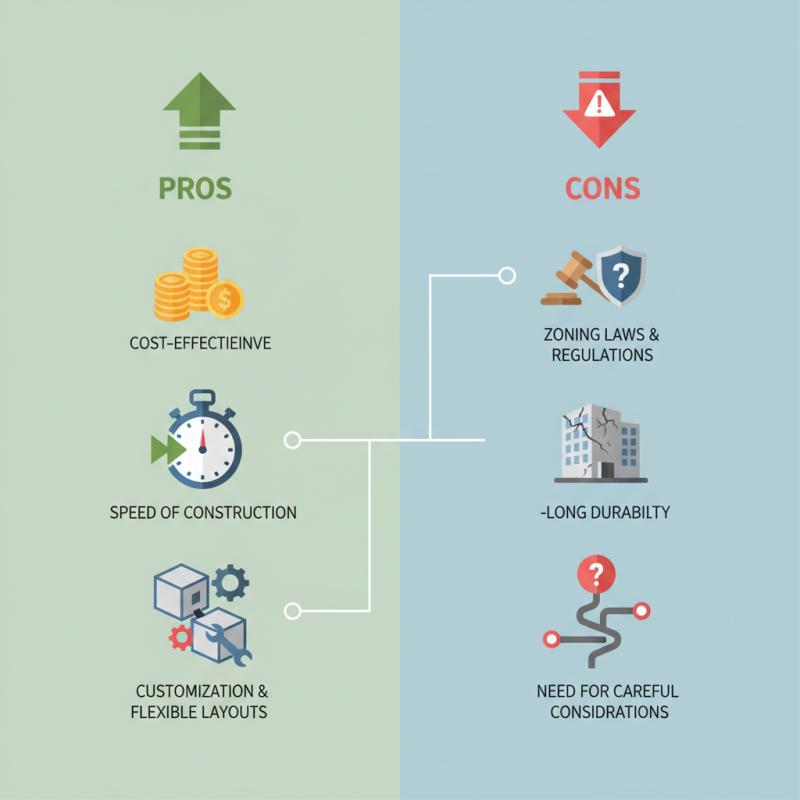
The growing popularity of prefab houses raises an important question: are prefab houses suitable for commercial use? Many businesses are exploring this option due to the cost-effectiveness and speed of construction. However, potential drawbacks exist.

Prefab structures can be customized for specific needs, allowing for flexible layouts. Businesses requiring quick setups may find these homes advantageous. Examples include small offices, retail shops, or even pop-up restaurants. Yet, challenges related to zoning laws and long-term durability can emerge.

It's crucial to evaluate local regulations before deciding. Each business has unique needs. An extensive plan is necessary to ensure a prefab house meets all standards. Understanding the pros and cons helps in making informed choices. Ultimately, the question of whether are prefab houses suitable for commercial use demands careful consideration.
Are Prefab Houses Suitable for Commercial Use for Your Business?

Understanding Prefab Houses: Definition and Characteristics

Prefab houses, short for prefabricated houses, are gaining traction in commercial industries. These structures are factory-built and delivered in sections. They offer several benefits, making them suitable for various business applications.

The characteristics of prefab houses include speed of construction and lower costs. These homes can be assembled quickly, often reducing the build time significantly. Additionally, they are made from sustainable materials and can be designed for energy efficiency. Despite these advantages, businesses should reflect on their long-term needs. For instance, while a prefab house may fit a startup's budget, will it meet future expansion needs?

Tips: When considering a prefab house for commercial use, assess your space requirements carefully. Think about the layout and functionality. Consider the local zoning regulations. They can impact what you can and cannot do with a prefab structure. Do your research on contractors and manufacturers. Reliability is crucial for a successful installation and longevity of the building.

Advantages of Using Prefab Houses for Commercial Purposes

Prefab houses are gaining traction in the commercial sector. According to a report by Grand View Research, the global modular construction market is expected to reach $157 billion by 2023. This growth suggests a significant shift toward sustainable and efficient building practices. The affordability of prefab houses is a major advantage. Businesses can save up to 20% in construction costs compared to traditional methods.

Additionally, prefab houses can be constructed in less time, often completed within weeks instead of months. For instance, a study from the Modular Building Institute reveals that construction timelines can be reduced by 50%. This rapid deployment is ideal for businesses needing quick expansion or temporary setups. However, businesses must consider zoning regulations that can vary. Navigating these legal intricacies may require additional time and resources.

Another notable benefit is the flexibility of design. Modular buildings can be customized to meet specific business needs. They are easily expandable, allowing businesses to scale operations without hefty investment costs. Nevertheless, a common concern remains the perception of prefab structures as lower quality. This stereotype can hinder acceptance in some markets. Addressing these perceptions through marketing and education is essential for wider adoption.

Challenges and Considerations for Businesses Choosing Prefab Houses

Prefab houses can serve various purposes, but businesses must navigate unique challenges. One key consideration is zoning regulations. Different areas have specific rules governing the construction of prefab structures. Businesses must ensure compliance to avoid legal complications.

Cost efficiency is another critical factor. While prefab houses can be cheaper to build, additional costs may arise. These include site preparation, transportation, and insulation upgrades. Potential buyers should carefully assess the total cost to avoid unexpected expenses.

**Tips:** Always consult local zoning laws before making a decision. This ensures the prefab structure aligns with all regulations. Evaluate the location for accessibility and visibility, as these factors greatly influence customer interaction. Factor in future growth—will your prefab house accommodate expansion if your business thrives?

Are Prefab Houses Suitable for Commercial Use for Your Business? - Challenges and Considerations for Businesses Choosing Prefab Houses

Consideration Description Challenges Potential Solutions
Zoning Regulations Prefab houses must comply with local zoning laws which may restrict their use. Obtaining necessary permits can be time-consuming and complex. Consult with local authorities early in the planning process to understand requirements.
Building Codes Must meet safety standards and construction codes set by local governments. Failure to comply can lead to costly modifications or fines. Engage a qualified contractor familiar with local codes from the start.
Cost-Effectiveness Prefab houses can be more affordable compared to traditional construction. Initial costs may still be high depending on customization options. Opt for standard models and limit custom features to reduce costs.
Flexibility in Design Prefab houses offer various design options and layout flexibility. Custom requests may extend build time and budget. Plan design aspects early and limit complexity to adhere to timeframes.
Sustainability Often built with eco-friendly materials and practices. Not all suppliers prioritize sustainable practices. Research and select manufacturers that follow sustainable guidelines.

Comparative Analysis: Prefab Houses vs. Traditional Construction Methods

Prefab houses have gained popularity in various sectors. Their rapid assembly and cost-effectiveness make them appealing for businesses. Unlike traditional construction, which can take months or even years, prefab structures can often be built in weeks. This speed can provide a competitive advantage, especially for startups needing quick operational readiness.

However, there are limitations to consider. The design options for prefab houses may be less flexible compared to traditional methods. Customization can sometimes be restrictive. Business owners should think about their specific needs. Will a standard model suffice, or does the operation require unique features?

Furthermore, the perception of prefab homes can impact a brand's image. Some clients may favor conventional buildings with a classic appeal. This perception may affect customer trust. Engaging with a reliable architect or builder can ensure that prefab constructions meet necessary standards. Thorough research, including zoning regulations and structural integrity, is vital. Every choice matters.

Real-World Examples of Successful Commercial Prefab House Projects

Prefab houses are gaining traction in the commercial sector. One notable example is a cafe built from prefabricated components, which was completed in just three months. Reports indicate that the prefab construction market is projected to grow at a CAGR of 6.5% from 2021 to 2028. This growth signals a shift towards more innovative building solutions.

Another successful project includes remote office setups. Prefab units provide quick assembly and customization options for businesses in need of prompt solutions. In rural areas, these structures often face criticism for being too basic. Yet, data shows that many companies report enhanced operations and customer engagement thanks to the unique design and fast setup of prefab offices.

Cost savings also attract businesses. A study by the National Institute of Standards and Technology shows that prefabricated construction can reduce labor costs by up to 20%. However, some challenges exist, such as zoning restrictions and quality control concerns. These factors must be navigated carefully to ensure project success and compliance with local regulations.

FAQS

: What are prefab houses?

: Prefab houses are factory-built structures delivered in sections. They are popular in commercial industries.

What are the key benefits of prefab houses?

They offer quick construction and lower costs. They can save businesses up to 20% in building expenses.

How fast can prefab houses be built?

Prefab houses can often be completed in weeks. Traditional methods usually take several months.

Can prefab houses be customized?

Yes, they can be designed to meet specific business needs. This flexibility allows for easy expansion.

What zoning considerations are there for prefab houses?

Local zoning regulations can affect what you can build. Researching these rules is important before starting.

Are prefab houses seen as lower quality?

Yes, some people may perceive them as inferior. Education and marketing can help change this view.

Should businesses reflect on future needs?

Yes, they should consider long-term space requirements. A prefab house might not always fit future expansion plans.

How reliable are prefab house manufacturers?

Reliability varies among contractors and manufacturers. Doing thorough research is crucial for a successful project.

What materials are used in prefab houses?

They are often made from sustainable materials. This makes them a more environmentally friendly option.

Why is speed of construction important for businesses?

Rapid deployment allows for quick expansion or temporary setups. This can be critical for meeting market demands.

Conclusion

The article "Are Prefab Houses Suitable for Commercial Use for Your Business?" explores the viability of prefab houses in a commercial context. It begins with an understanding of prefab houses, outlining their characteristics and distinctions from traditional construction methods. The advantages of prefab houses, such as cost-efficiency, quicker assembly, and customization options, are highlighted, making a strong case for their use in various business applications.

However, challenges do exist, including zoning regulations, financing options, and potential misconceptions about quality. The article presents a comparative analysis that illustrates the strengths and weaknesses of prefab houses relative to conventional construction. Finally, it showcases real-world examples where businesses have successfully employed prefab structures, reinforcing the assertion that, under the right circumstances, prefab houses are indeed suitable for commercial use.

Liam

Liam

Liam is a dedicated marketing professional with a profound expertise in the industry, where he excels at highlighting the unique advantages of our core products. With a keen understanding of market trends and consumer needs, Liam frequently updates our company’s professional blog, providing......