How Safe Are Steel Structure Houses for Global Buyers?

Time:2026-05-19 Author:Ethan
0%

As the global demand for innovative housing solutions increases, many buyers are considering steel structure houses. But how safe are steel structure houses? This question is paramount for buyers who prioritize safety and durability. Industry expert Dr. Emily Hart, a structural engineer with over 15 years of experience, emphasizes, “Steel structures can withstand extreme conditions better than traditional materials.” Her insight brings attention to the resilience of steel houses against various disasters, such as earthquakes and storms.

However, not all steel structures are created equal. The safety of these homes heavily relies on the design, engineering, and materials used. In fact, some poorly constructed steel buildings have faced significant issues. Buyers must scrutinize the credentials of builders and understand the specifications of the steel used. The safety of steel structure houses can vary widely, underscoring the need for informed decisions.

Misconceptions also exist about the vulnerability of steel to rust and corrosion. Regular maintenance and quality treatments can mitigate these risks. Thus, ensuring the longevity and safety of steel homes is a shared responsibility between builders and homeowners. When evaluating how safe are steel structure houses, one must weigh these details against potential risks and long-term benefits.
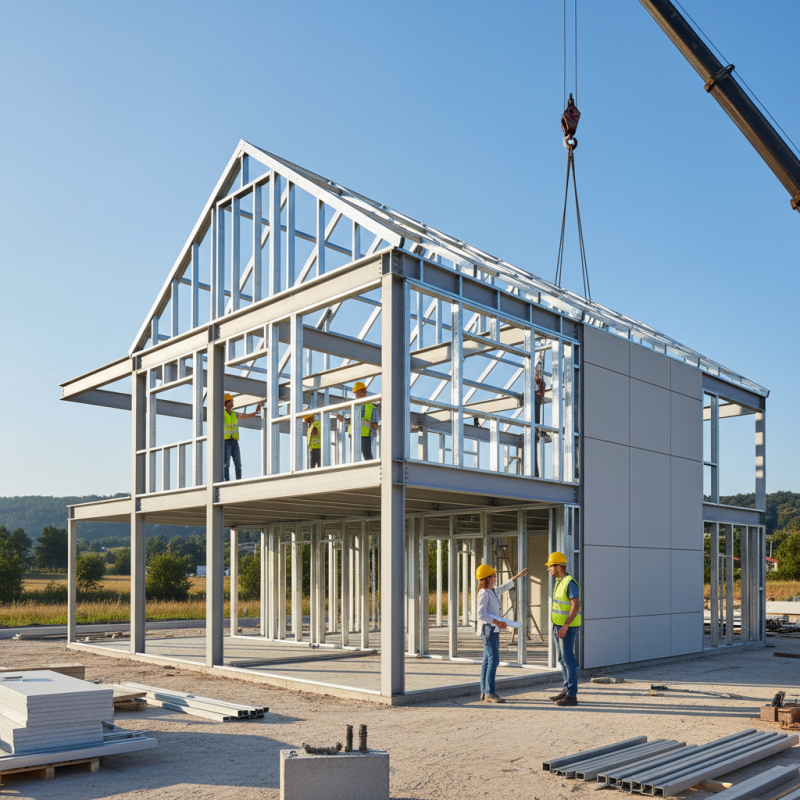
How Safe Are Steel Structure Houses for Global Buyers?

Definition and Characteristics of Steel Structure Houses

Steel structure houses have gained popularity among global buyers due to their unique characteristics and benefits. These homes are primarily made from steel frames, offering exceptional strength and durability. According to industry reports, steel buildings can withstand extreme weather conditions better than traditional wood structures. They are resistant to pests, fire, and corrosion, making them a safer choice for many homeowners.

A crucial aspect of steel structure houses is their design flexibility. They allow for open floor plans and larger spans without the need for numerous supporting walls. However, some buyers may find the aesthetic less appealing compared to conventional homes. Additionally, the initial cost of steel construction can be higher. Reports suggest that while the upfront costs can be significant, the long-term savings on maintenance and energy efficiency can offset this investment.

Energy efficiency in steel homes is another noteworthy characteristic. Proper insulation can lead to lower energy bills. A study from a leading architectural firm indicated that steel-framed homes can achieve energy efficiency ratings up to 30% better than traditional wood-framed homes. Yet, potential buyers must evaluate not just the financial implications but also the life cycle of materials used. Steel production has environmental impacts that require consideration. As the market evolves, understanding these factors will be essential for informed decision-making.

Benefits of Steel Structure Houses for Homeowners

Steel structure houses offer numerous benefits for homeowners, making them an increasingly attractive choice in the global housing market. One significant advantage is their durability. According to the American Institute of Steel Construction, steel structures can last over 100 years with minimal maintenance. This longevity can lead to substantial savings over time. Homeowners can enjoy lower repair costs and extended property value.

Another compelling factor is energy efficiency. A report from the U.S. Department of Energy indicates that steel homes can achieve better insulation and facilitate energy savings of up to 30%. These properties help reduce heating and cooling costs, ultimately impacting monthly bills positively. Moreover, steel construction often allows for more flexible design, accommodating various styles and layouts.

However, some concerns exist. The initial investment in steel structure homes can be higher compared to traditional materials. Additionally, the heat conductivity of steel may cause issues if not appropriately managed. Homeowners must consider these factors and potential future costs. Despite these challenges, the growing inclination towards sustainable materials makes steel an option worth exploring. Homeowners should weigh the pros and cons carefully, keeping their long-term needs in mind.

How Safe Are Steel Structure Houses for Global Buyers? - Benefits of Steel Structure Houses for Homeowners

Aspect Benefits Safety Rating
Durability Resistant to natural disasters, pests, and corrosion High
Fire Resistance Inherently fire resistant when properly treated High
Maintenance Low maintenance; typically requires less upkeep Moderate
Construction Time Faster construction compared to traditional methods High
Seismic Performance Excellent resistance to earthquakes Very High
Sustainability Recyclable materials and energy-efficient options High

Safety Standards and Regulations for Steel Buildings

Safety in steel structure buildings is vital for global buyers. Various regulations govern these structures to ensure they meet safety standards. The International Code Council (ICC) emphasizes structural integrity, requiring design practices based on seismic and wind loading assessments.

Recent reports indicate that buildings designed to modern codes exhibit lower failure rates during seismic events. In fact, structures employing steel frames have shown a 50% reduction in damage compared to traditional wood structures. However, not all steel buildings are equal. Inexperienced builders might overlook critical design elements, leading to vulnerabilities.

Robust inspection protocols are equally crucial. Regular assessments help maintain structural safety. The National Institute of Standards and Technology (NIST) highlights that comprehensive inspections can identify early signs of corrosion or wear. Without these checks, even metal buildings can face risks. Buyers must prioritize builders who adhere to stringent safety regulations.

Common Myths About the Safety of Steel Structure Houses

The perception of steel structure houses often includes several myths about their safety. One common myth suggests that steel homes are prone to rust and deterioration. However, recent studies indicate that modern steel treatments can significantly enhance corrosion resistance. According to a report from the American Iron and Steel Institute, galvanized steel can last up to 100 years when properly maintained.

Another misconception involves fire safety. Some believe that steel structures are highly susceptible to fire damage. In fact, steel has a high melting point, about 2,500°F, making it less likely to ignite. A National Fire Protection Association study shows that buildings made with steel framing can be more fire-resistant than those constructed with wood. Buyers must be aware that despite these benefits, fire safety also relies on other factors, such as insulation materials.

Moreover, many assume that steel houses lack durability in severe weather. Research by the Steel Framing Alliance states that steel structures perform well during earthquakes and hurricanes due to their flexibility and strength. Yet, buyers should consider local conditions and building codes that support safe construction standards. Misconceptions can cloud judgment, but informed decisions rely on knowing the reality of steel structures.

How Safe Are Steel Structure Houses? Myths vs. Reality

This chart illustrates common myths and realities about the safety of steel structure houses, based on a perception rating from 1 to 10. The data indicates that misconceptions about fire resistance and corrosion detract from the recognition of the durability and weather resilience of steel houses.

Global Trends and Market Acceptance of Steel Structure Homes

Steel structure homes are gaining traction globally. Their durability and strength appeal to many buyers. In regions prone to extreme weather, these homes can resist heavy winds and seismic activities. As climate change affects housing needs, there is an increasing demand for resilient homes.

Market acceptance of steel structures varies. In some countries, this trend is embraced due to its modern aesthetics and reduced build time. However, skepticism remains in markets where traditional materials dominate. Buyers often question thermal comfort and noise insulation. These factors can influence decisions.

While steel homes are becoming popular, challenges persist. Some regions lack awareness of their benefits. Education about energy efficiency is crucial. Many buyers are still hesitant about the initial investment. Building trust and providing testimonials can enhance confidence in this evolving industry.

FAQS

: What are the main benefits of steel structure houses?

: Steel structure houses offer exceptional strength, durability, and resistance to extreme weather, pests, fire, and corrosion.

How flexible is the design of steel homes?

Steel homes allow open floor plans and large spans, reducing the need for many supporting walls.

Are steel structure houses more cost-effective in the long run?

Initial costs of steel homes can be high, but long-term maintenance and energy savings may offset this investment.

How energy efficient are steel homes compared to traditional houses?

Steel-framed homes can achieve energy efficiency ratings up to 30% better than conventional wood-framed homes.

What safety standards are in place for steel buildings?

Various safety regulations ensure structural integrity, including assessments for seismic and wind loading.

Do steel homes rust easily?

Modern treatments significantly enhance corrosion resistance; galvanized steel can last up to 100 years with proper care.

Are steel structures fire-resistant?

Steel has a high melting point, making it less likely to ignite compared to wood structures.

How do steel homes perform during severe weather conditions?

Steel structures typically perform well during earthquakes and hurricanes due to their strength and flexibility.

What must buyers consider about environmental impacts?

Potential buyers should evaluate the life cycle of steel production and its environmental impacts before making a decision.

What role do inspections play in safety?

Regular inspections can identify early signs of corrosion and wear, maintaining structural safety in steel buildings.

Conclusion

Steel structure houses are gaining popularity worldwide, raising the question of "how safe are steel structure houses?" These homes are characterized by their durability, strength, and resistance to various environmental factors, making them an appealing choice for homeowners. The benefits of opting for steel structures include lower maintenance costs, energy efficiency, and quick assembly times, which resonate well with contemporary living needs.

Safety is a crucial aspect of any construction, and steel buildings are subject to stringent safety standards and regulations to ensure their integrity and resilience. While some myths persist regarding the safety of steel structure houses—such as susceptibility to fire and rust—many studies demonstrate that these concerns are often unfounded. As global trends showcase a growing acceptance of steel homes, potential buyers can be informed that modern engineering practices effectively address safety issues, confirming that steel structure houses can be a safe and reliable choice for a long-term investment.

Ethan

Ethan

Ethan is a seasoned marketing professional with a deep expertise in our company's innovative product line. With a passion for sharing knowledge and insights, he takes the lead in regularly updating our corporate blog, where he explores industry trends, product features, and effective marketing......