How to Transport Modular Houses Internationally Efficiently?

Time:2026-06-01 Author:Isabella
0%

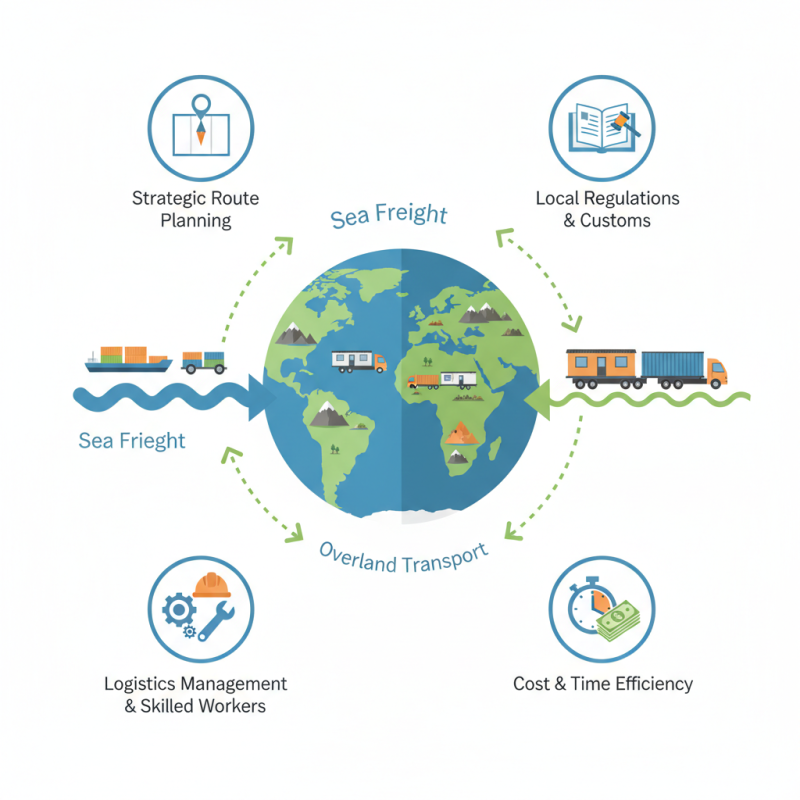
Transporting modular houses internationally is a complex task that requires expertise and careful planning. Industry expert John Simmons, a renowned logistics consultant, emphasizes the significance of strategic routes. He stated, "The key to efficiently transporting modular houses internationally lies in proper route planning and understanding local regulations."

Many companies overlook crucial regulations in different countries. This oversight can lead to costly delays and even damaged properties. It is vital to consider local laws and customs before initiating transportation. Proactive research can save time and resources.

A successful transport process involves logistics management, skilled workers, and high-quality materials. Each component must be accounted for, ensuring a smooth transition from one location to another. Transportation methods also vary; some may require sea freight, while others involve overland transport. The cost and time of transport can be significantly impacted by these choices. Understanding how to transport modular houses internationally is essential for any business in this field. Real-world challenges arise, prompting a need for continual adaptation and improvement.
How to Transport Modular Houses Internationally Efficiently?

Understanding Modular Houses and Their International Transport Needs

Modular houses represent a modern solution for flexible living spaces. They are prefabricated structures built in sections and transported to the final location. This transport process requires a nuanced understanding of logistics. Each module's size and weight impact transportation routes and methods. Ensuring compliance with regulations is vital for efficient delivery.

Successful transport of modular homes relies on planning. Taking into account factors such as distance, weather conditions, and road restrictions is essential. Load safety is non-negotiable. Improper securing of modules can lead to damage during transit. Each journey poses unique challenges that require real-time adjustments. Collaborating with experienced logistics professionals can mitigate these risks.

International transport of modular houses adds complexity. Different countries have specific regulations regarding size and transport permits. Researching these requirements can save time and money. It is critical to allocate enough time for potential delays at customs. Shipping methods vary, and each has its pros and cons. Air freight offers speed, but at a high cost. Sea transport is more economical, but slower. Ultimately, each choice reflects a balance between cost, time, and safety.

How to Transport Modular Houses Internationally Efficiently? - Understanding Modular Houses and Their International Transport Needs

Dimension Value Unit Notes
Average Size of Modular House 60 Typical size for transport
Weight of Modular House 15,000 kg Average weight including materials
Average Transport Distance 1,200 km Typical international shipping distance
Average Shipping Cost 4,000 USD Estimated cost for shipping per house
Transport Time 10 days Time from source to destination

Evaluating Transportation Methods for Modular Houses Across Borders

When transporting modular houses across borders, choosing the right method is crucial. Many reports highlight that over 70% of shipping issues arise from inadequate planning. Factors like weight, size, and international regulations must be deeply understood. The logistics behind intermodal transportation can include rail, truck, and ship, each with unique benefits and constraints.

Recent studies suggest that road transport is often the quickest solution. However, it can be costly and inefficient for longer distances. Rail transport can reduce costs significantly but may suffer from limited accessibility. Marine transport covers wide distances efficiently, yet it poses challenges with loading and unloading due to port limitations. Furthermore, transporting houses often requires special permits and adherence to local regulations, complicating logistics.

In exploring these options, it's important to reflect on common pitfalls. Many underestimate the impact of weather and delays, which can lead to increased costs. Additionally, not all modular designs fit standard transportation sizes, causing potential issues. Each method has strengths and weaknesses that must be weighed carefully for successful international transport.

Navigating Legal Regulations for International Transportation of Modular Homes

Transporting modular houses internationally involves navigating a complex web of legal regulations. Each country has its own set of laws governing the import and export of housing structures. Understanding these regulations is crucial. They can influence everything from the type of materials used to the dimensions of the modular home.

Permits and approvals are often required for transportation. These can include export licenses and import duties. Failing to secure the right permits may lead to delays or fines. Even small errors in documentation can cause significant issues. It's essential to work with experienced logistics professionals who understand international regulations.

Adapting to various legal requirements may require changes in design. This is not always feasible. It can lead to increased costs or project delays. Keeping abreast of the latest legal developments is vital. Regulations can change without warning. Engaging with local authorities can provide insights. This vigilance can help avoid complications during transit and ensure a smoother arrival.

Optimizing Packaging and Loading Techniques for Modular House Transport

Transporting modular houses internationally presents unique challenges. Efficient packaging and loading techniques are crucial to ensuring safety and reliability. Proper preparation minimizes risks and optimizes costs. Modular units are large and often irregularly shaped, making thoughtful organization essential.

One effective strategy is to disassemble components before transport. This approach not only saves space but also reduces potential damage during transit. Use sturdy packing materials and avoid overloading containers. Securing components with straps or braces prevents shifting.

**Tips:** Always label packages clearly. This ensures that each part is easily identifiable upon arrival. Consider weatherproofing packaging to protect vulnerable materials. Additionally, double-check regulations in destination countries, as requirements may vary.

Another important aspect is the loading phase. Ensure that heavier components are loaded first, lowering the center of gravity. This helps maintain stability during transport. Regularly inspect the load for any shifts during transit. Adjustments may be necessary to maintain safety.

Mitigating Environmental Impact During International Modular House Shipping

Transporting modular houses internationally poses environmental challenges that must be addressed. The shipping process can generate significant carbon emissions, particularly through transportation modes like ships and trucks. Optimizing logistics can help minimize this impact. One strategy is using efficient packing methods. This can reduce the number of trips and therefore, emissions.

Choosing eco-friendly materials and reducing waste is vital. Modular homes can be designed to use sustainable materials. Implementing recycling practices in the manufacturing process is essential. When materials are reused or repurposed, the overall environmental footprint shrinks. Additionally, sourcing materials locally can further cut down transportation emissions.

It's crucial to involve all stakeholders in this conversation. Construction firms, logistics companies, and policymakers should collaborate. They can develop more sustainable shipping practices. Continuous reflection on these practices is necessary to adapt to changing environmental standards. Making shipping more efficient should not sacrifice ecological responsibility. A holistic approach ensures progress toward greener modular housing solutions.

FAQS

: What is the importance of choosing the right transportation method for modular houses?

: The correct transportation method is vital to prevent issues. Planning is key, with over 70% of problems stemming from it.

How does road transport compare to other methods?

Road transport is often fastest but can be costly for long distances. It may not be the most efficient choice.

What are the benefits of rail transport?

Rail transport significantly cuts costs. However, it may have limited accessibility depending on the destination.

What challenges does marine transport present?

Marine transport is efficient for long distances but poses loading and unloading issues due to port limitations.

Why are permits important when transporting modular houses?

Permits are necessary for compliance. Missing permits can lead to delays or fines, complicating the transportation process.

What should be done to ensure proper packaging for transport?

Disassembling components can optimize space. Secure items well and use sturdy materials to prevent damage during transit.

How can legal regulations affect transportation planning?

Each country has different regulations that can influence materials, dimensions, and overall design, leading to potential project delays.

What is a crucial tip during the loading phase?

Load heavier components first to lower the center of gravity. This helps maintain stability during transport.

Why is it essential to label packages clearly?

Clear labeling helps ensure that each part is easily identifiable upon arrival, aiding in the unloading process.

What impact do weather conditions have on transportation?

Underestimating weather can cause delays and increased costs. It's essential to plan for potential disruptions.

Conclusion

Transporting modular houses internationally involves several key considerations to ensure efficiency and compliance. First, understanding the unique needs of modular houses, including their dimensions and structural integrity, is crucial for selecting the most suitable transportation methods. Evaluating options such as maritime, road, or rail transport can aid in choosing the best logistics strategy.

Navigating the legal regulations governing international transportation is essential, as different countries have varying requirements for permits and inspections. Additionally, optimizing packaging and loading techniques is vital to minimize risks during transit. Lastly, mitigating the environmental impact of shipping can be achieved by employing sustainable practices throughout the transportation process. In summary, knowing how to transport modular houses internationally requires comprehensive planning and adherence to regulations, ensuring safe and efficient delivery.

Isabella

Isabella

Isabella is a dedicated marketing professional with a sharp focus on driving brand growth and engagement through strategic content creation. With an extensive background in digital marketing, she combines her passion for storytelling with her keen understanding of industry trends to deliver......